We don’t begin with labels.
The word “sustainable” gets used a lot in food. Often it means very little. For us, it has always meant something specific: do we know where this ingredient comes from, do we trust the person who grew it, and are we doing right by both of them?
That’s the question we ask before anything else. The certifications matter (and we’ll get to them) but they come after the relationship, not before.
Soil Positive Farming
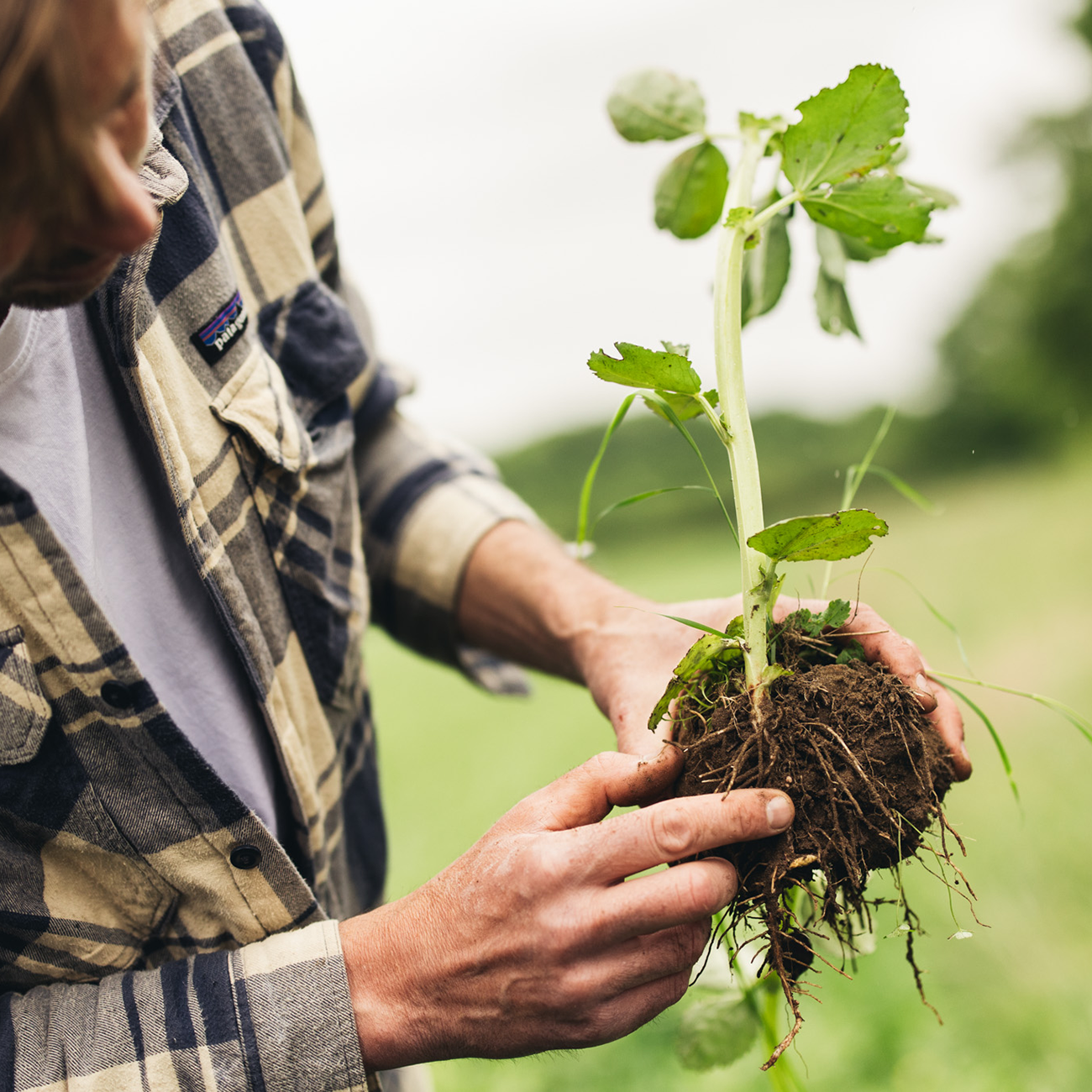
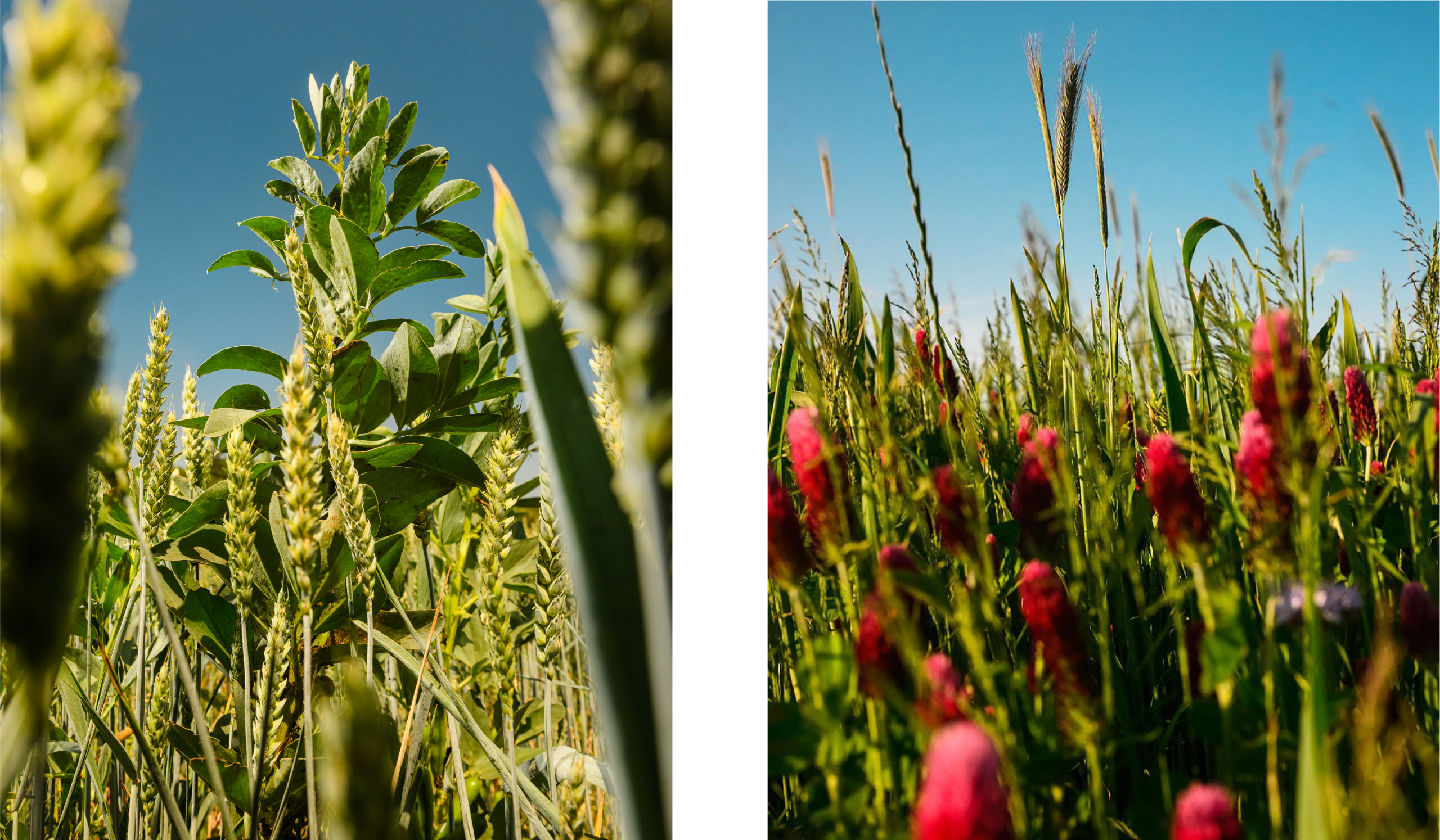
For the past several years, we’ve been building something called Soil Positive Farming into our supply chain. That means working directly with farmers across the UK who are growing differently, building soil health through diverse crop rotations, minimal tilling and nature-led practices.
It’s slower work. Often harder work. And it requires us to commit to buying what they grow, not just the easy harvest, but more of it. We share the risk so that farmers can farm with integrity, not just survival.
In FY24, around 8% of our flour came from these farms. By the end of FY26, that had grown to 20%, roughly 2,600 tonnes, going into more than 4.5 million products. By FY27, we commit to 3,000 tonnes of fully traceable organic wheat. The largest volume of its kind in the UK.
Every loaf made from this grain is fully fermented, using varieties that support soil health and deliver bread with depth and clear provenance. You can taste the difference. That’s the point.
The people we work with.
We choose our partners carefully.
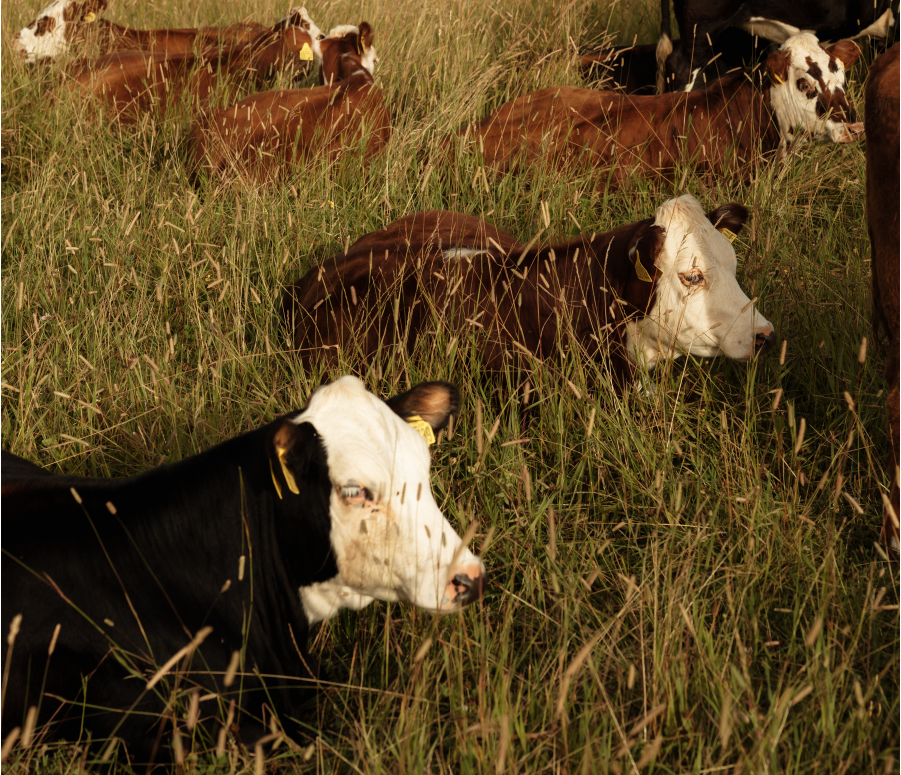
Our milk, cream and butter come from Cotteswold Dairy in Gloucester, where cows graze freely and, with automated milking, follow their own natural rhythm. Our salmon is hand-cured by Severn & Wye near the Forest of Dean, master smokers with over 30 years of craft. Our free-range poultry is raised by Capestone in Pembrokeshire, a farm established in 1920 and still working with nature to produce a slower-grown, better bird.
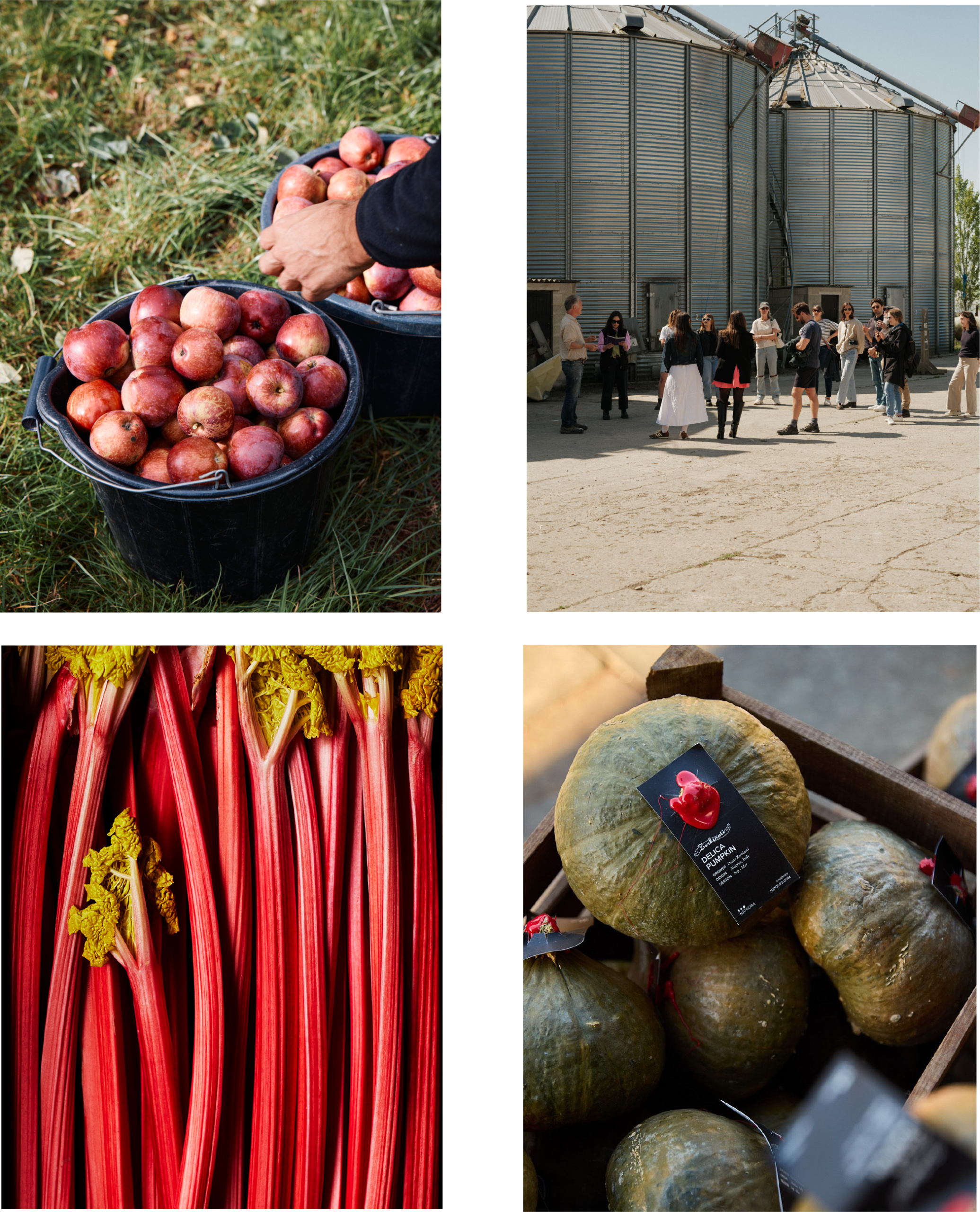
For fruit and vegetables, we work with a small number of growers and suppliers who prioritise season and flavour. That includes partners like Natoora, known for sourcing produce at its natural peak rather than for yield.
That means ingredients come and go as they should. Yorkshire Forced Rhubarb appears briefly in winter, harvested by hand in low light to protect its colour and sweetness. Delica pumpkin from northern Italy arrives when the season allows, grown in mineral-rich soils for depth of flavour. Datterini tomatoes are left to ripen fully on the vine before harvest, never rushed, never out of season.
Working this way keeps us close to the ingredients, and accountable for the choices we make.
60% British. And growing.
Today, 60% of the ingredients we use are grown or made in the UK. That’s not a target we hit and celebrated, it’s the result of years of building relationships that are worth something. We’re not interested in sourcing from the nearest name on a list.
We believe the food system needs to change. We want to play our part in that. And the most direct way we know how is to keep asking the same question, every time we source an ingredient:
Are we doing the right thing and do we know that we are?
The sourcing story is one part of a bigger picture. Read our full FY26 Sustainability & Social Responsibility Report, covering energy, transport, waste, our people and our communities.